
 Admin
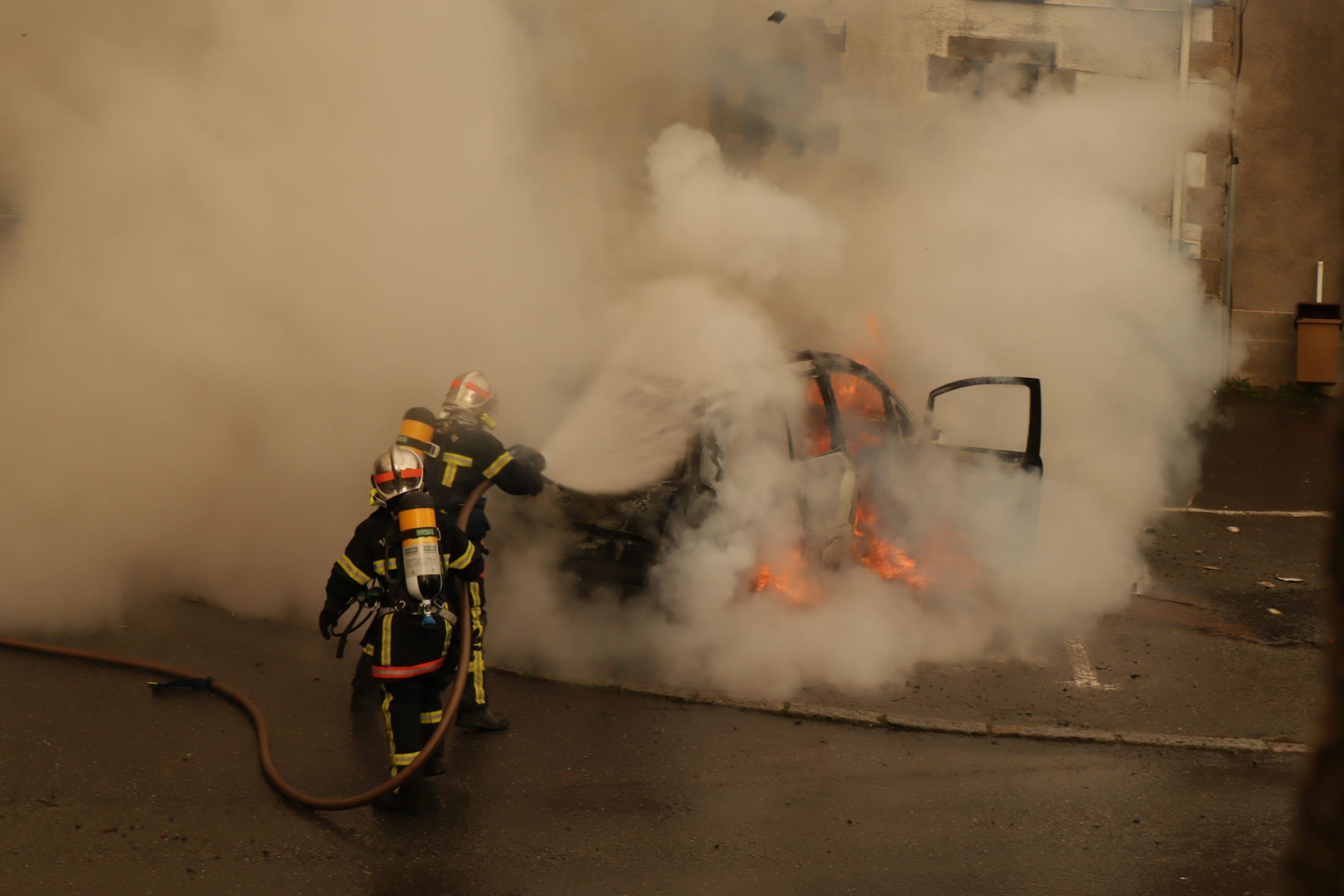
AdminAt 2:43 a.m., the city slept. Nairobi’s night skyline shimmered with calm as headlights faded from the highways and the hum of traffic gave way to silence. Then, without warning, a small electrical spark behind a factory’s storage unit ignited a cardboard box. Within minutes, smoke crawled through the aisles, dancing with the darkness. By the time the first responder truck arrived, the fire was already clawing at the roof. Yet, because the premises had a functioning fire suppression system and well-trained staff, what could have been a devastating inferno was stopped in its tracks.
That night, no lives were lost. Production resumed within 48 hours. The difference between chaos and control came down to one thing—fire preparedness.
At Fireline Safety Kenya Ltd, we’ve seen these stories unfold countless times. Fires don’t wait for convenient hours or give second chances. They test systems, people, and commitment—and it’s those who prepare who rise above the ashes.
The Hidden Threat That Never Sleeps
Fire is a paradox—it gives us light, warmth, and energy, yet when uncontained, it becomes one of nature’s most destructive forces. In Kenya alone, fire-related incidents cause millions in property damage each year, often due to poor safety infrastructure and lack of preparedness.
A single spark can devastate an entire business. Factories lose equipment, offices lose data, homes lose memories. But what many people overlook is how preventable most of these incidents are. Fires rarely happen out of nowhere; they start small—an overloaded socket, an unattended flame, a forgotten wire. Preparedness is the shield that stops a spark from becoming a catastrophe.
The Anatomy of Preparedness: What It Really Means
Being prepared isn’t about fear—it’s about foresight. True fire preparedness blends people, systems, and habits into one cohesive defence. At Fireline Safety Kenya Ltd, we often describe preparedness as a triangle made up of three core pillars:
-
Prevention – Routine inspections, equipment maintenance, and safe electrical setups prevent many fires before they start.
-
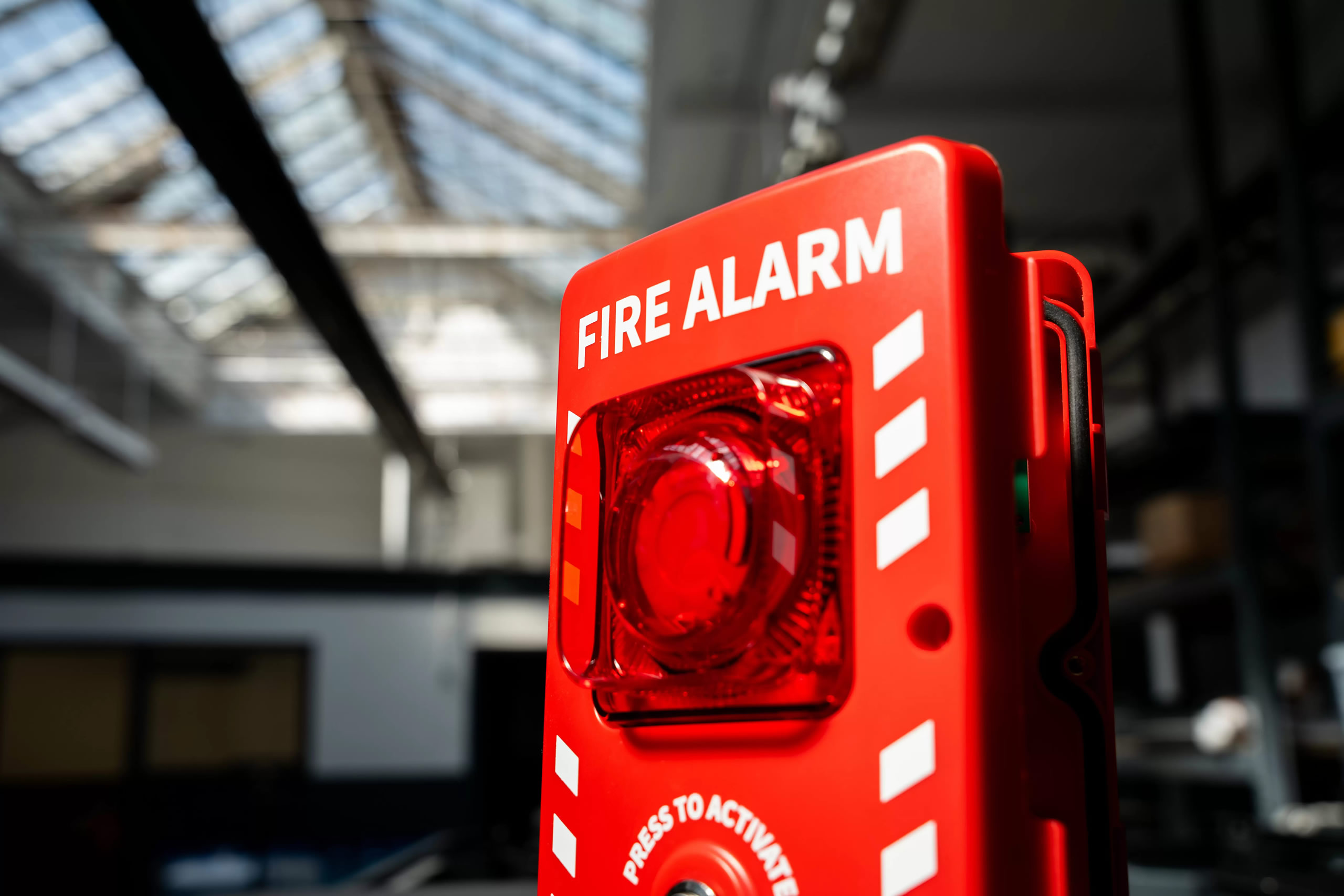
Detection – Early detection systems such as fire alarms, heat sensors, and smoke detectors give critical time for response.
-
Response – Trained personnel, proper evacuation routes, and functional extinguishing tools save lives when prevention fails.
When all three align, you’re not just ready for a fire—you’re ready to stop it before it defines your future.
A Story from the Field: The Hotel That Wouldn’t Burn
In 2024, a luxury hotel in Naivasha faced a situation that tested every system they had. A small blaze started in the kitchen when cooking oil spilled near a burner. The flames leapt high, spreading toward the ceiling vents. Within seconds, the automatic fire suppression system activated—dispersing foam directly on the source. Simultaneously, alarms sounded, guests were guided calmly through designated exits, and within minutes, the hotel’s internal fire team had the situation under control.
No injuries. No panic. No major damage.
The general manager later told us, “It was the scariest moment of my life—but also the proudest. Everything worked exactly how Fireline designed it.”
That’s what preparedness looks like—not luck, but layered protection.
Behind the Systems: The Technology That Saves Lives
Fire preparedness has evolved far beyond extinguishers on walls. Today’s systems are intelligent, integrated, and proactive.
-
Fire Detection Systems now use laser-based sensors that distinguish between harmless steam and dangerous smoke.
-
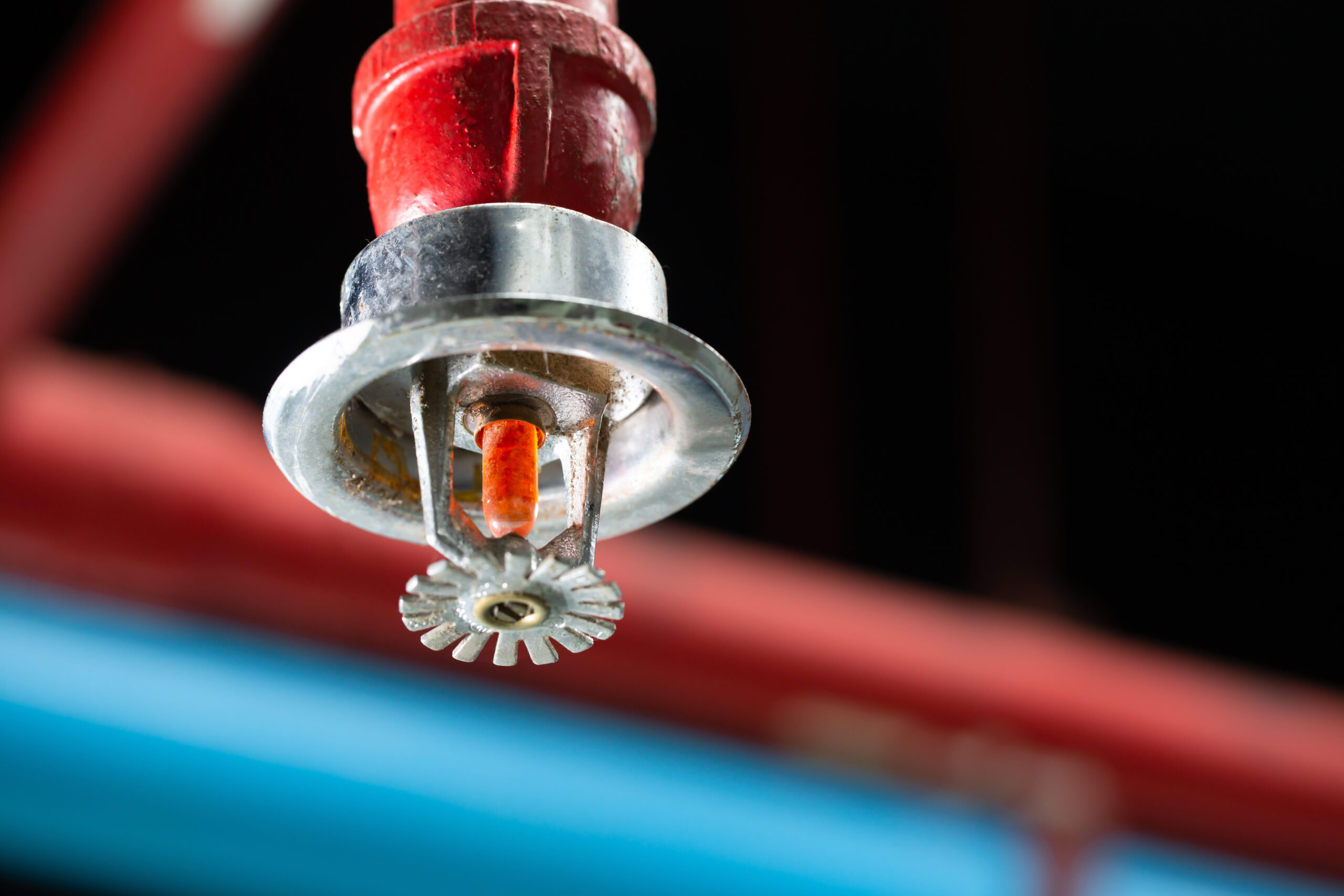
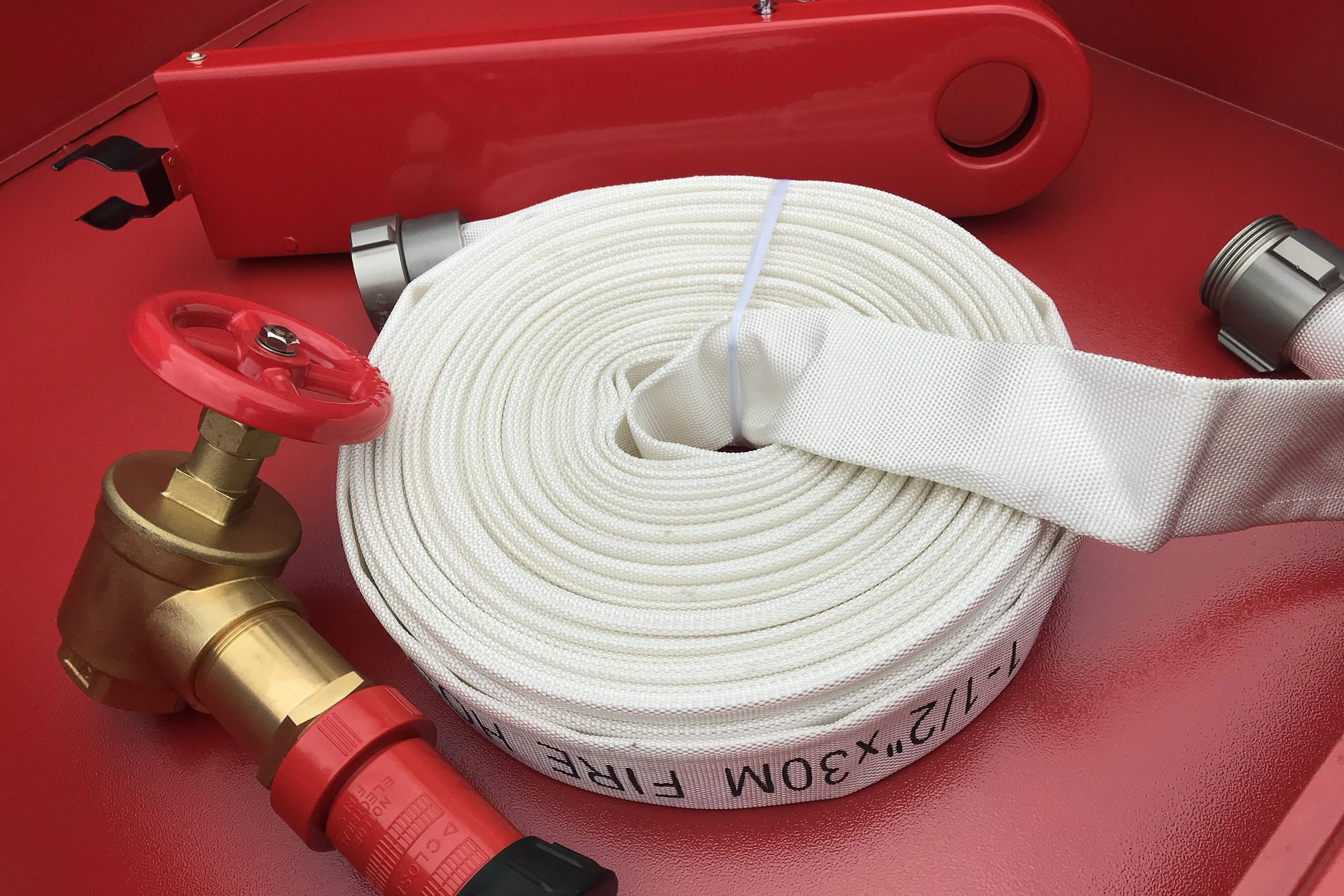
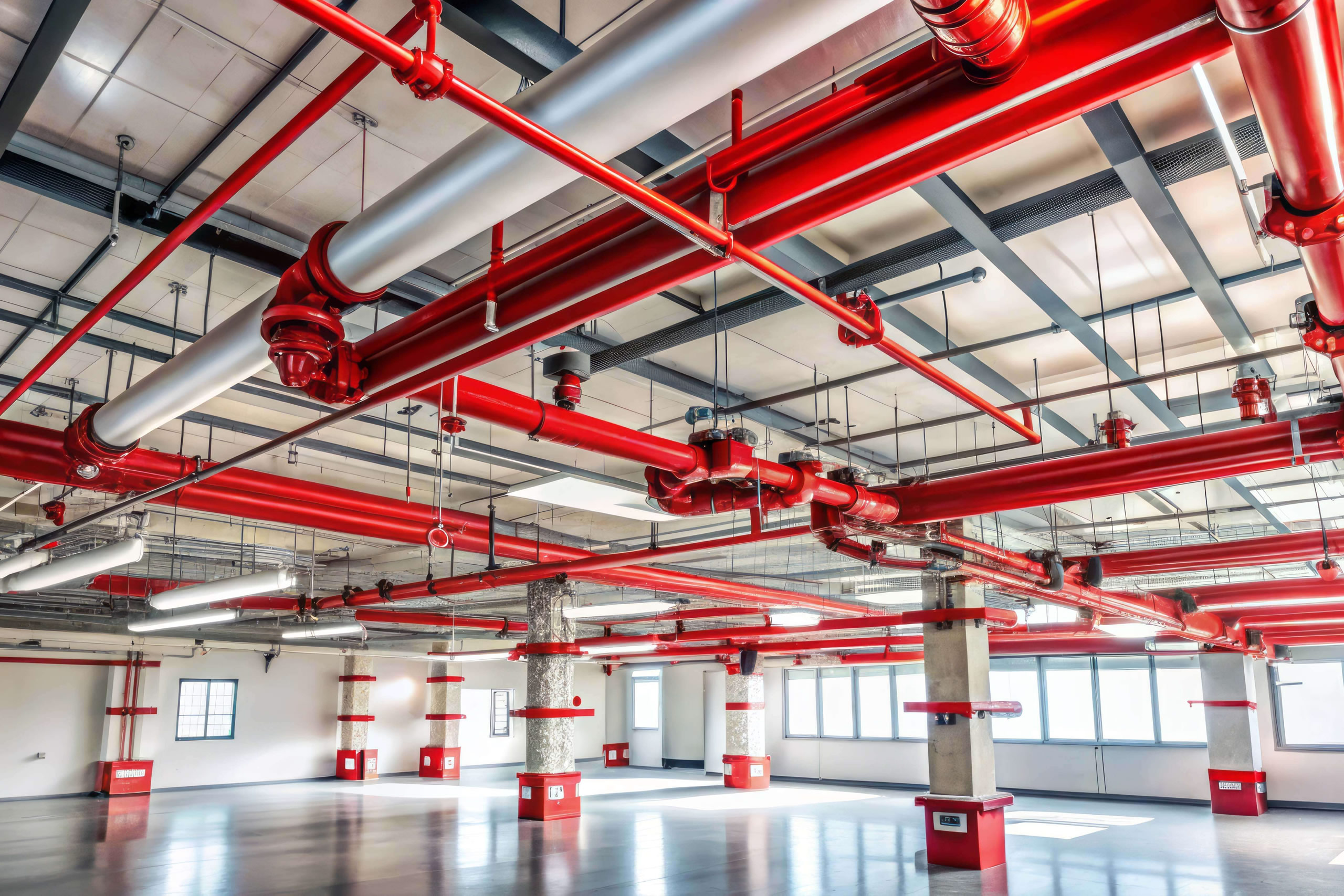
Fire Suppression Systems release gas, water mist, or foam depending on the environment to minimise damage.
-
Smart Fire Panels connect to cloud-based monitoring platforms, alerting emergency responders in real time—even if the building is empty.
-
Emergency Lighting and Signage guide occupants through smoke-filled corridors, ensuring safe evacuation when visibility drops.
At Fireline Safety Kenya Ltd, we combine these technologies to create end-to-end fire safety ecosystems tailored to every client—from hospitals and schools to industrial plants and residential complexes.
Training: The Human Element in Every Emergency
Even the best technology is only as effective as the people behind it. One of the most overlooked aspects of fire preparedness is training. Knowing where the fire exit is, how to use an extinguisher, or even how to remain calm during an alarm can save lives.
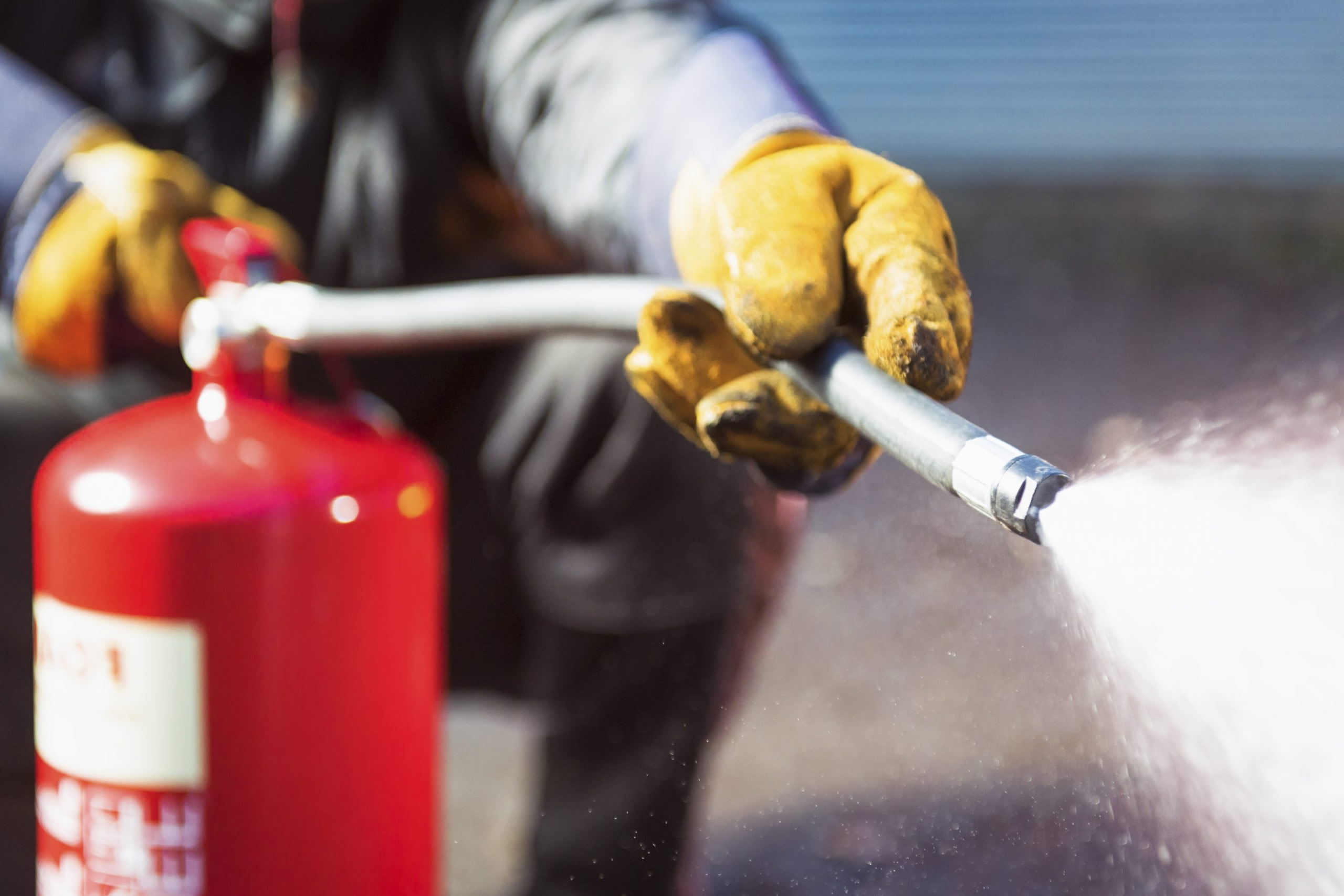
We’ve seen countless success stories where ordinary staff turned into heroes because they were prepared. Like the warehouse guard who, thanks to training, used a CO₂ extinguisher correctly before a small electrical spark spread. Or the school teacher who guided students through an evacuation drill so effectively that when a real fire occurred months later, not a single child was harmed.
Preparedness isn’t just equipment—it’s empowerment.
The Kenyan Context: Rising to the Challenge
Kenya’s rapid urbanisation and industrial growth have brought both opportunity and risk. Many older buildings lack proper fire systems, while newer developments sometimes prioritise aesthetics over safety. Fireline Safety Kenya Ltd works to bridge that gap—partnering with developers, county governments, and institutions to design systems that meet KEBS and British Safety Standards.
We understand that fire safety isn’t just a requirement; it’s a responsibility. Whether in Nairobi’s skyscrapers, Mombasa’s coastal hotels, or rural schools in Nakuru, our mission remains the same: to protect life, property, and livelihood.
The Cost of Neglect
Fires don’t just destroy structures—they destroy continuity. Businesses that experience major fires often struggle to recover due to asset loss, insurance delays, and customer mistrust. A study by the National Disaster Management Unit showed that over 60% of small businesses affected by fire in Kenya never reopen.
The cost of installing fire systems pales in comparison to the cost of rebuilding from ashes. Yet too many people only act after tragedy strikes. At Fireline, we’re changing that narrative—through education, awareness, and accessible safety solutions.
Building a Safer Tomorrow
At the heart of fire preparedness is hope—the belief that every life saved and every building protected moves society forward. Our vision at Fireline Safety Kenya Ltd is not just to sell products, but to build a safety culture across Kenya and East Africa.
We work with organisations to conduct fire audits, design systems that fit their risks, and train staff to handle emergencies effectively. Our legacy is built not just on products, but on trust, expertise, and commitment.
Conclusion: A Call to Be Ready
Fires may start small, but so do heroes. Every extinguisher installed, every alarm tested, and every drill practised is a step toward resilience.
So, as you finish reading this, ask yourself—Is my home, my business, my school ready for fire? Preparedness isn’t a choice; it’s a duty to yourself and those you care about.
At Fireline Safety Kenya Ltd, we’re ready to help you build that shield. Because when flames rise, preparation is the only thing that stands between fear and survival.
