

 Admin
AdminFire — a force as ancient as humanity itself. It has built civilizations, provided warmth, driven industry, and powered innovation. Yet, this same force has also razed cities, devoured forests, and claimed lives. To truly understand how to fight fire effectively, we must first understand the science behind it — how it starts, spreads, and sustains itself. At Fireline Safety Kenya Ltd, we believe that the best fire protection begins long before the first spark appears.
The Fire Triangle: The Core of Combustion
Every fire starts with three essential elements: heat, fuel, and oxygen. This is known as the fire triangle. Remove just one side of this triangle, and the fire cannot survive. Heat provides the ignition energy, fuel feeds the flames, and oxygen sustains the chemical reaction. For example, a pile of dry paper won’t ignite without heat, and a gas flame will die out if deprived of oxygen.
Professionals in fire safety often go a step further — using the fire tetrahedron, which adds a fourth element: the chemical chain reaction. This reaction perpetuates the fire once it begins, making it self-sustaining. The goal of any firefighting effort is to disrupt one or more of these elements — by cooling (removing heat), smothering (cutting off oxygen), starving (removing fuel), or inhibiting the chemical reaction.
Classes of Fire: Not All Flames Are the Same
Many people are surprised to learn that not all fires are created equal. Fires are classified based on the materials that fuel them, and each class requires a specific extinguishing approach:
-
Class A: Fires involving ordinary combustibles like wood, paper, and cloth. These are best extinguished by water or foam.
-
Class B: Fires fueled by flammable liquids such as petrol, oil, and paint. Water can make these worse — foam or dry chemical powder works best.
-
Class C: Fires involving gases like propane, butane, or methane. Extinguish by shutting off the gas supply and using dry chemical agents.
-
Class D: Fires involving combustible metals such as magnesium or titanium. Special dry powders are required for these rare but intense fires.
-
Class F (or K in some regions): Fires caused by cooking oils and fats, often in kitchens. These need wet chemical extinguishers that cool and smother simultaneously.
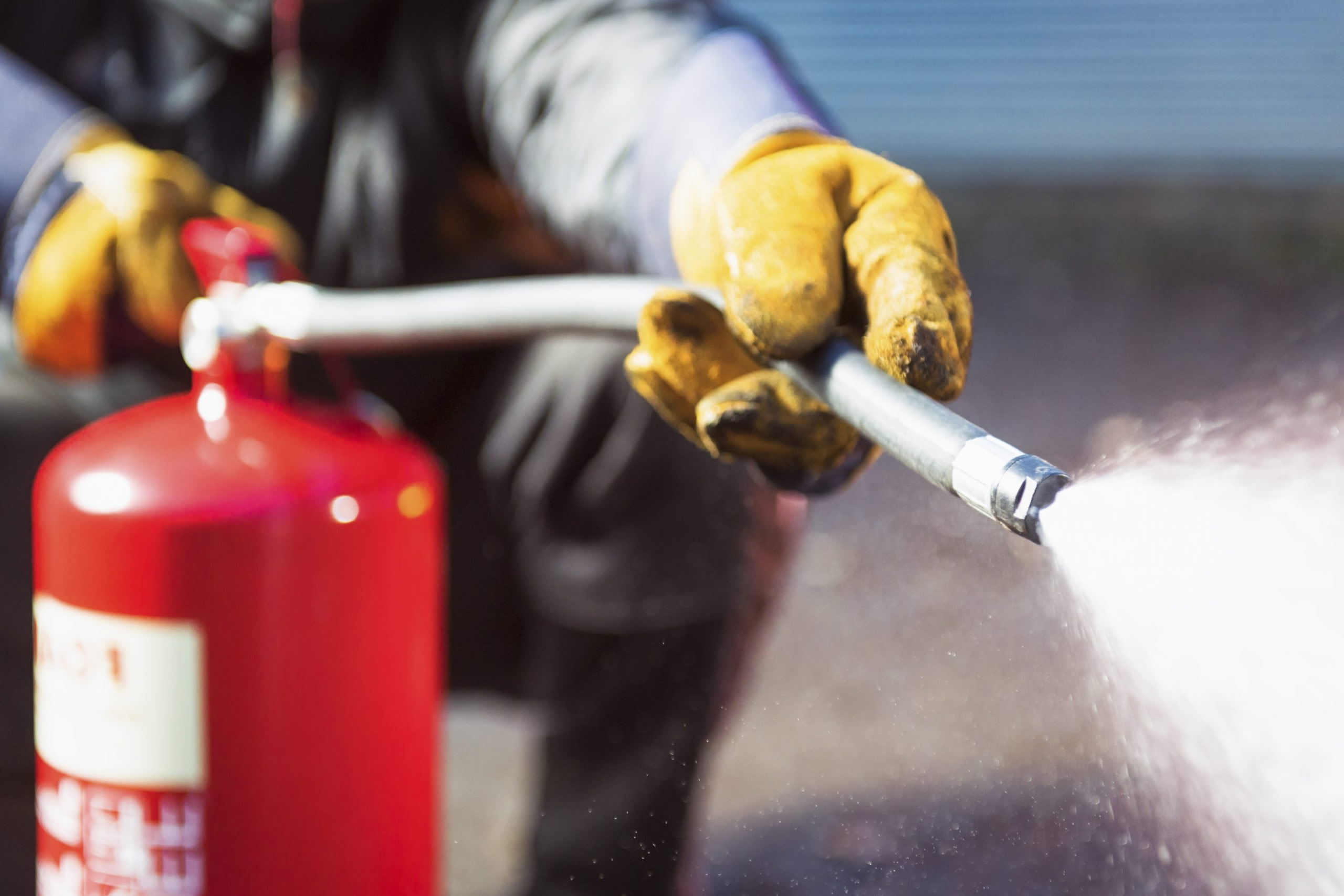
At Fireline Safety Kenya Ltd, we often encounter situations where well-intentioned people make fires worse by using the wrong extinguisher. That’s why part of our mission is education. Knowledge is as powerful a tool as any extinguisher.
The Spread of Fire: How Seconds Make the Difference
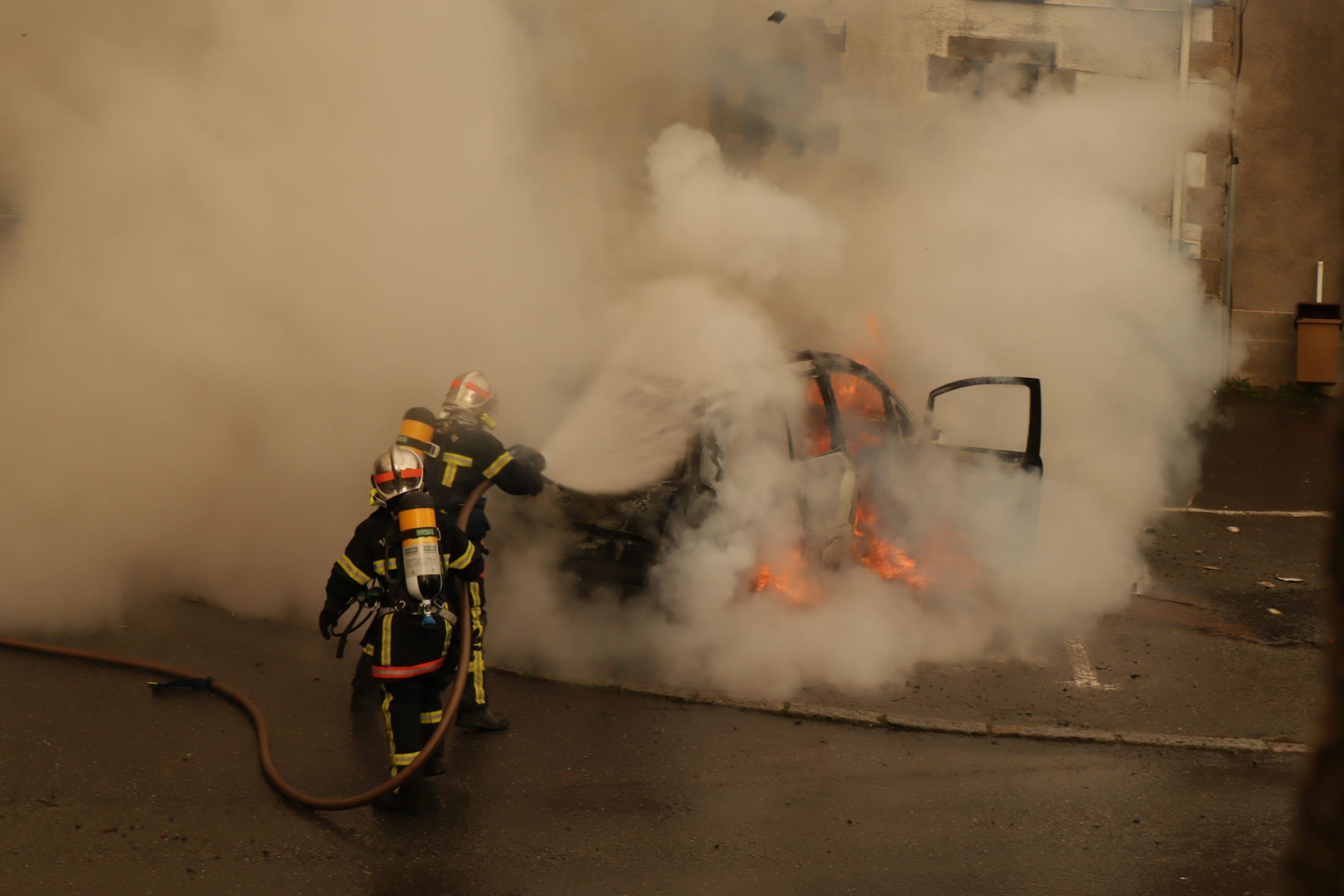
A small spark can transform into a raging inferno in under five minutes. Modern materials, especially plastics and synthetics, burn faster and hotter than traditional materials. In homes and offices, the spread of fire is influenced by several factors — ventilation, building design, and fuel continuity.
For example, in a poorly ventilated room, fire can smolder and build pressure until an opening (like a broken window) suddenly introduces oxygen — leading to a dangerous flashover, where everything in the room ignites simultaneously. Firefighters train rigorously to recognize early signs of flashover because it’s one of the deadliest moments in any blaze.
Fire Prevention: The First and Best Defence
The most effective firefighting strategy is prevention. Regular fire risk assessments, proper maintenance of electrical systems, correct storage of flammable substances, and installation of smoke detectors all play a vital role.
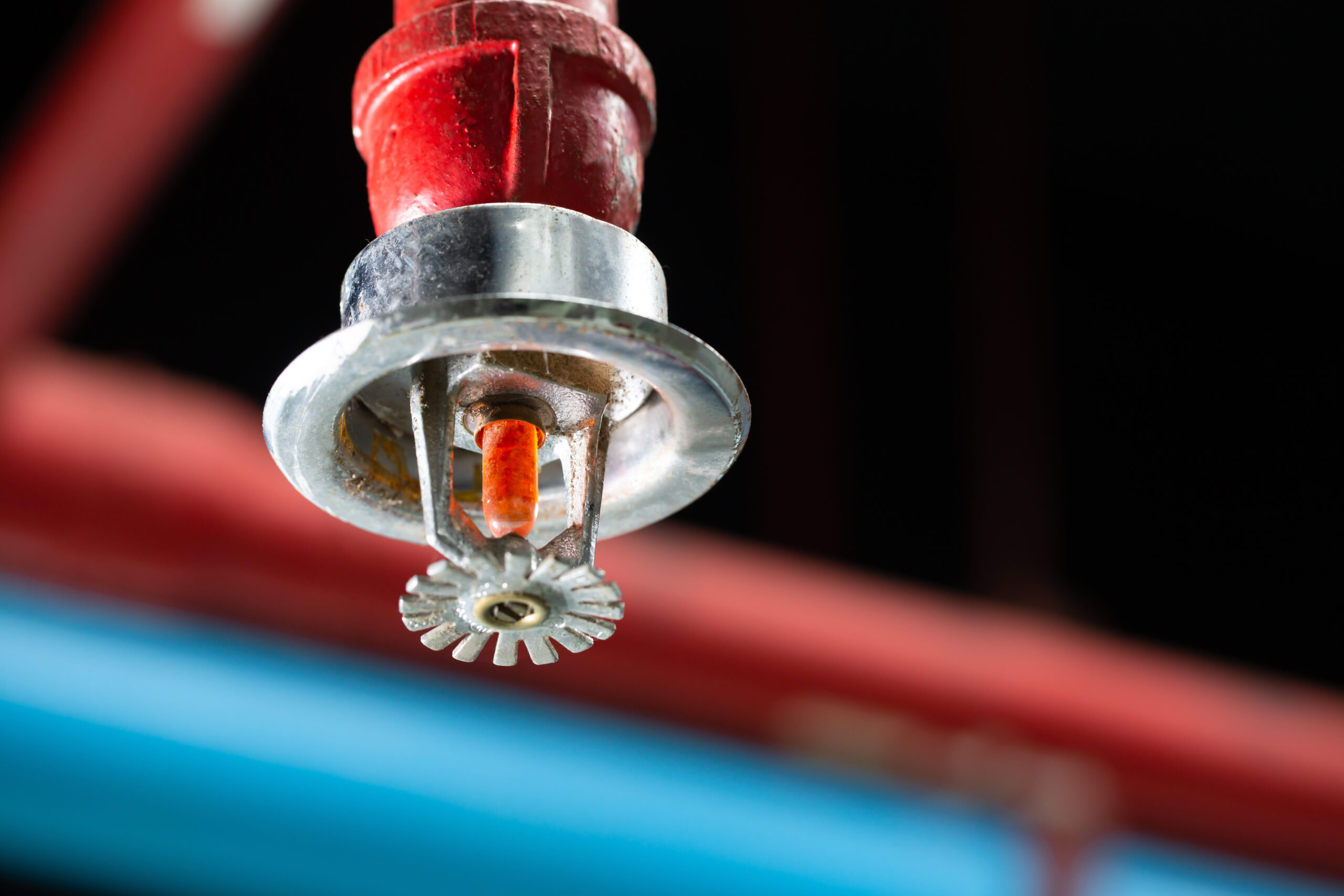
At Fireline Safety Kenya Ltd, we go beyond selling fire extinguishers — we help businesses and institutions design robust fire safety systems. From automatic sprinkler systems and fire alarms to emergency lighting and evacuation plans, every layer matters.
Our technicians perform thorough audits that not only identify risks but also recommend cost-effective, compliant solutions. Because we understand that true safety isn’t about reacting fast — it’s about never needing to react at all.
Training: Building a Culture of Readiness
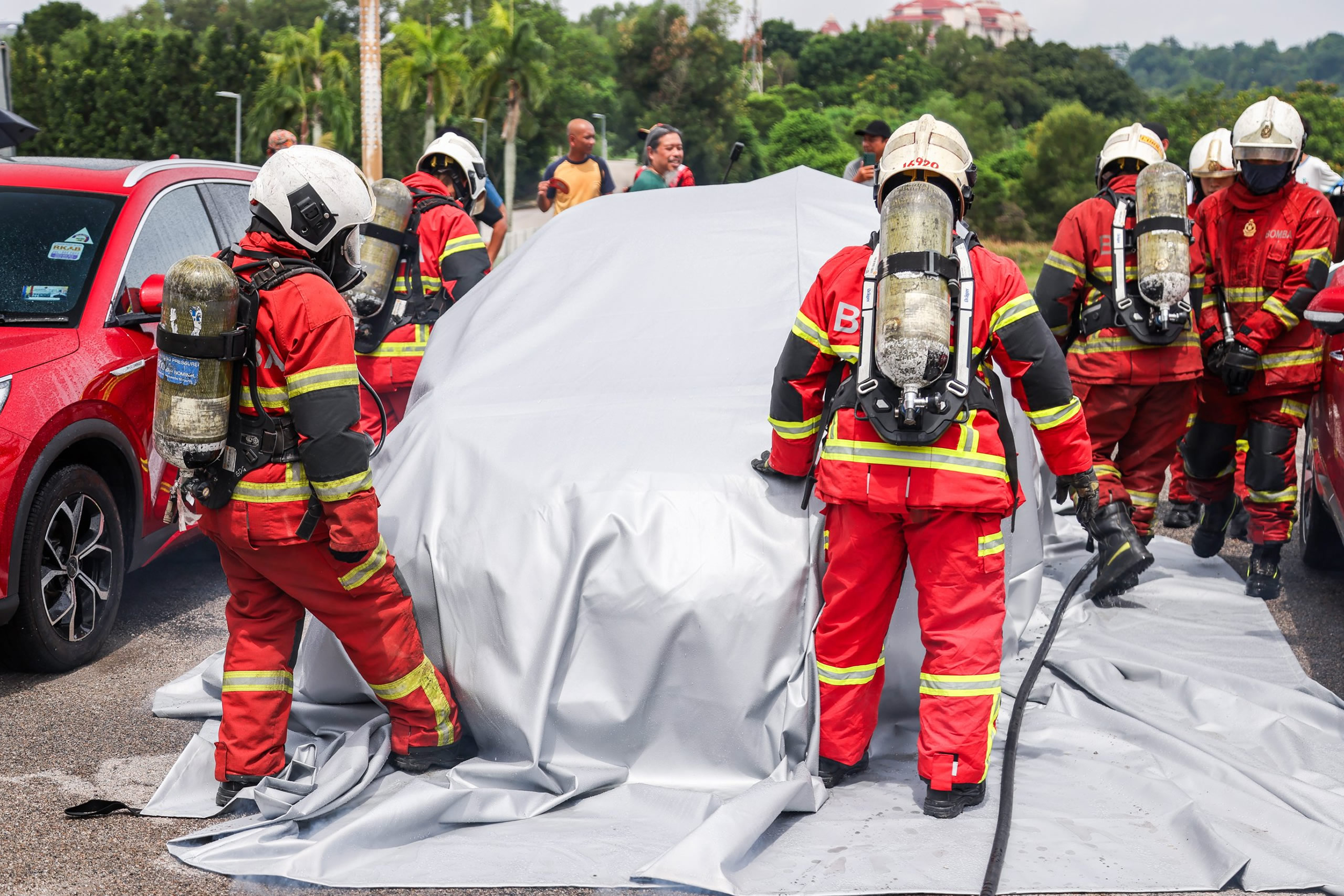
A well-trained team can make the difference between a minor incident and a catastrophe. Fireline Safety Kenya Ltd offers tailored training programmes for offices, factories, schools, and residential complexes. Participants learn how to identify hazards, operate extinguishers, respond to alarms, and execute evacuations safely.
We often say: “In a fire emergency, seconds count — but preparation saves minutes.” Our approach blends practical drills with scenario-based learning, so participants not only know what to do but also act instinctively under pressure.
Technology in Firefighting: The New Frontier
Firefighting is evolving rapidly. Advanced technologies like smart smoke detectors, fire-resistant materials, and AI-powered monitoring systems are transforming safety standards. Drones are now being used for surveillance in large-scale fires, and sensor-based systems can automatically alert fire departments when smoke or heat thresholds are crossed.
Fireline Safety Kenya Ltd stays ahead by integrating modern fire safety technology into our solutions. Whether it’s IoT-connected detectors or intelligent suppression systems, our goal is to give our clients peace of mind backed by innovation.
Conclusion: Understanding Fire, Empowering Safety
Fire is not an enemy — it’s a powerful natural process that demands respect, understanding, and control. When we understand what fuels it, we also learn how to prevent it. At Fireline Safety Kenya Ltd, our expertise isn’t just in extinguishing fires; it’s in empowering people and organisations to stay ahead of them.
If you’re ready to protect what matters most — your people, property, and peace of mind — let’s start with a safety audit today. Together, we can turn awareness into action and knowledge into safety.
