
 Admin
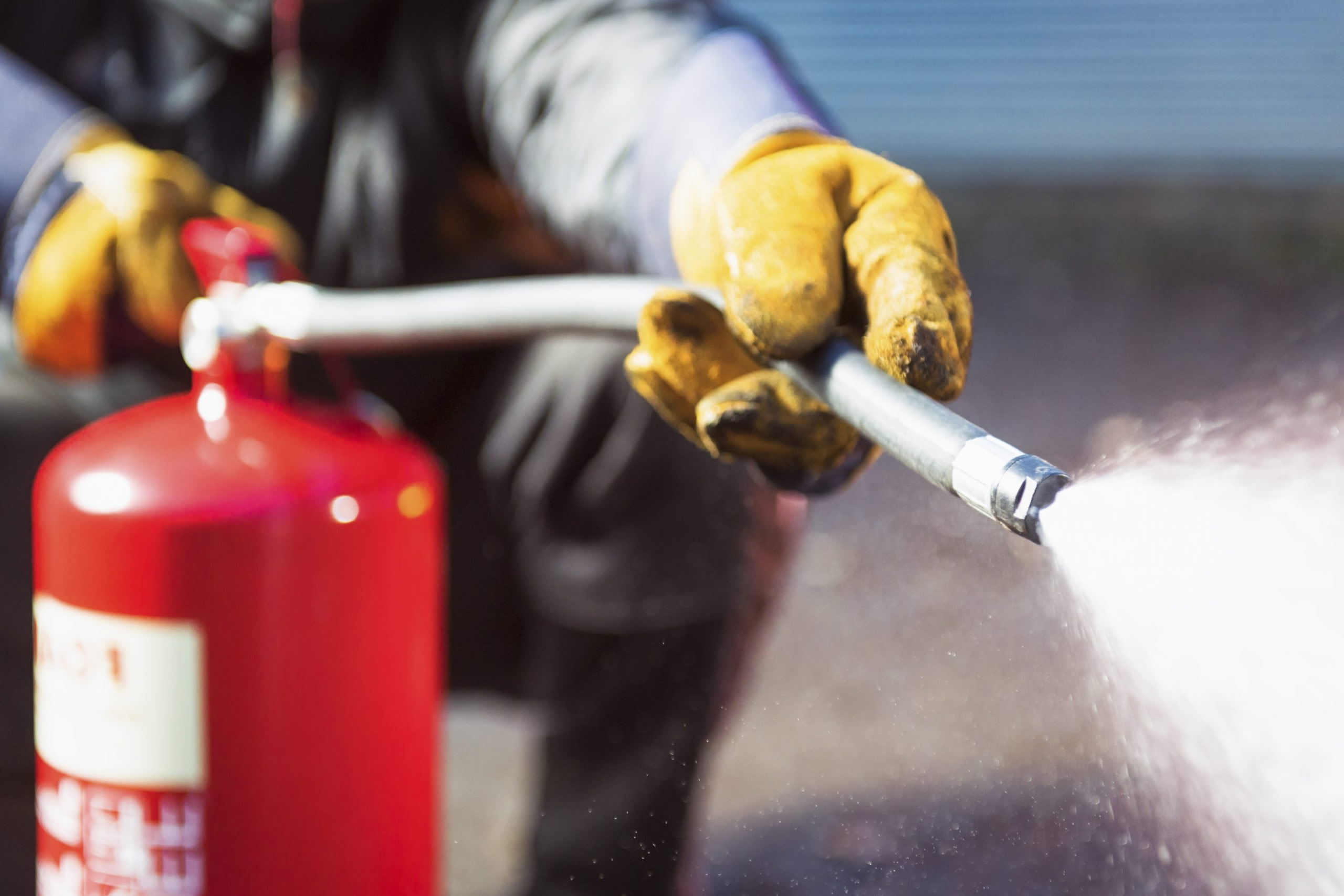
AdminIt starts small—a flicker, a crackle, a brief spark that seems harmless. Then in seconds, smoke curls through the air, turning panic into paralysis. But just before disaster strikes, someone reaches for a familiar red cylinder. A swift pull of the pin, a firm squeeze of the handle, and a controlled burst of agent silences the flame. In less than a minute, what could have been tragedy turns into relief.
That moment of calm amid chaos has repeated itself millions of times across the world. The humble fire extinguisher—a simple yet powerful tool—has saved countless lives and properties for over a century. But behind that red shell lies a story of innovation, courage, and commitment. At Fireline Safety Kenya Ltd, we carry that legacy forward every day, ensuring that homes, businesses, and institutions across Kenya have access to reliable firefighting equipment when it matters most.
A Brief History: From Experiment to Essential
The first recorded fire extinguisher was invented in 1818 by Captain George William Manby, a British officer who witnessed the horrors of urban fires. His device—a copper container filled with potassium carbonate solution and compressed air—was revolutionary for its time. It allowed ordinary people to act before fire brigades arrived.
Fast-forward to today, and fire extinguishers have evolved into sophisticated tools tailored for different fire types—each designed to tackle specific threats with precision. The principle, however, remains unchanged: empower people to stop fire at its source.
From Nairobi’s modern office towers to rural schools in Turkana, extinguishers stand silently on walls, waiting for a moment they hope never comes—but are ready when it does.
Understanding Fire: The Science Behind the Flame
To understand why extinguishers are so effective, we must first understand the enemy. Fire is a chemical reaction known as combustion, requiring three elements: heat, fuel, and oxygen—collectively known as the fire triangle. Remove any one of these, and the fire dies.
Fire extinguishers are engineered around this principle. Each type interrupts the triangle in a different way:
-
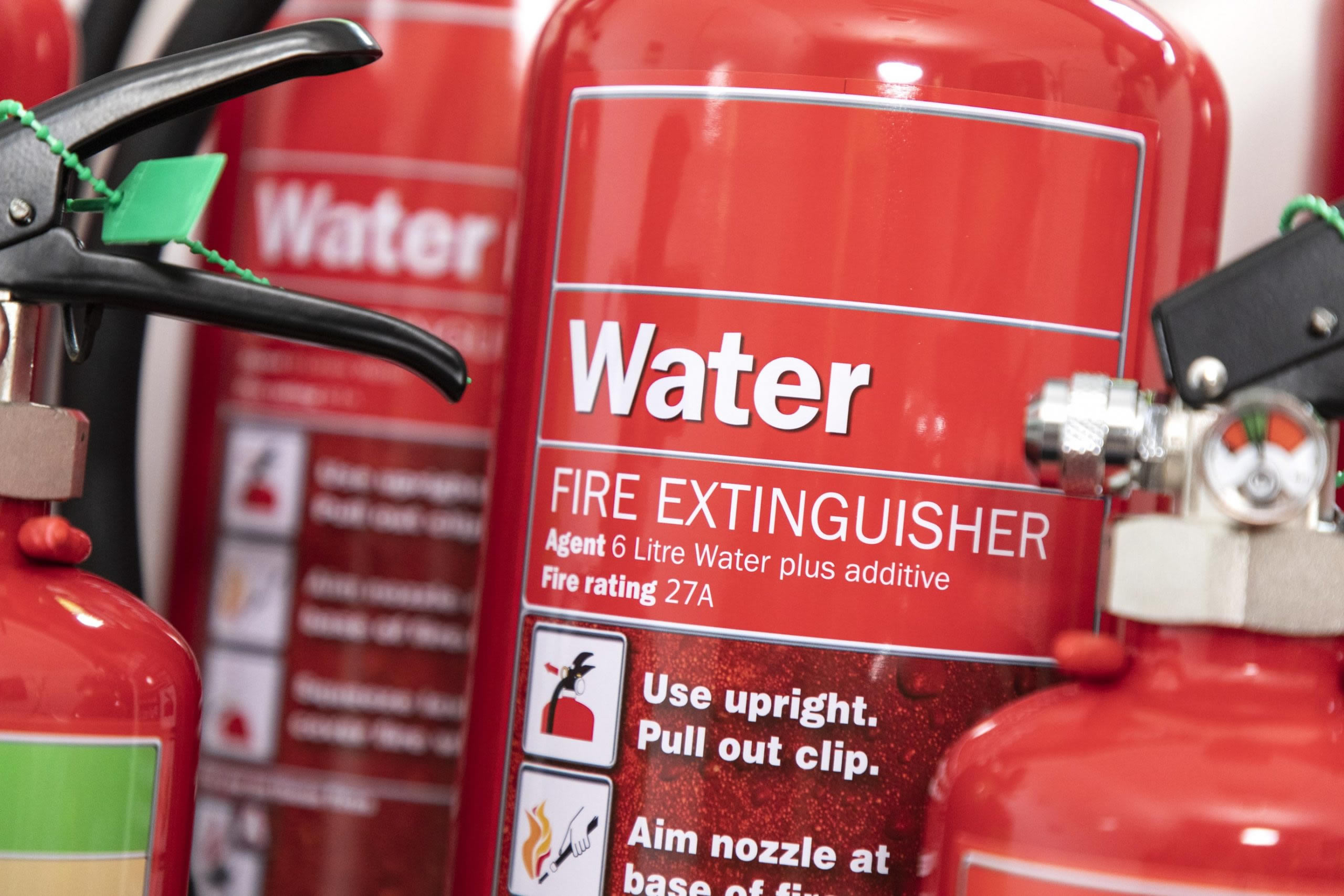
Water extinguishers cool down heat.
-
Foam extinguishers blanket the surface, cutting off oxygen.
-
CO₂ extinguishers displace air, starving the fire.
-
Dry powder extinguishers break the chemical reaction itself.
At Fireline Safety Kenya Ltd, we provide a full range of extinguishers tailored to every environment—industrial, commercial, or domestic—because no two fire risks are the same.
The Forgotten Hero on Every Wall
Walk into any public building and you’ll see them: red cylinders hanging quietly in corners, often ignored, sometimes even used to prop open doors (a big no-no!). They’re required by law, yet most people never stop to think about how vital they are until smoke starts to rise.
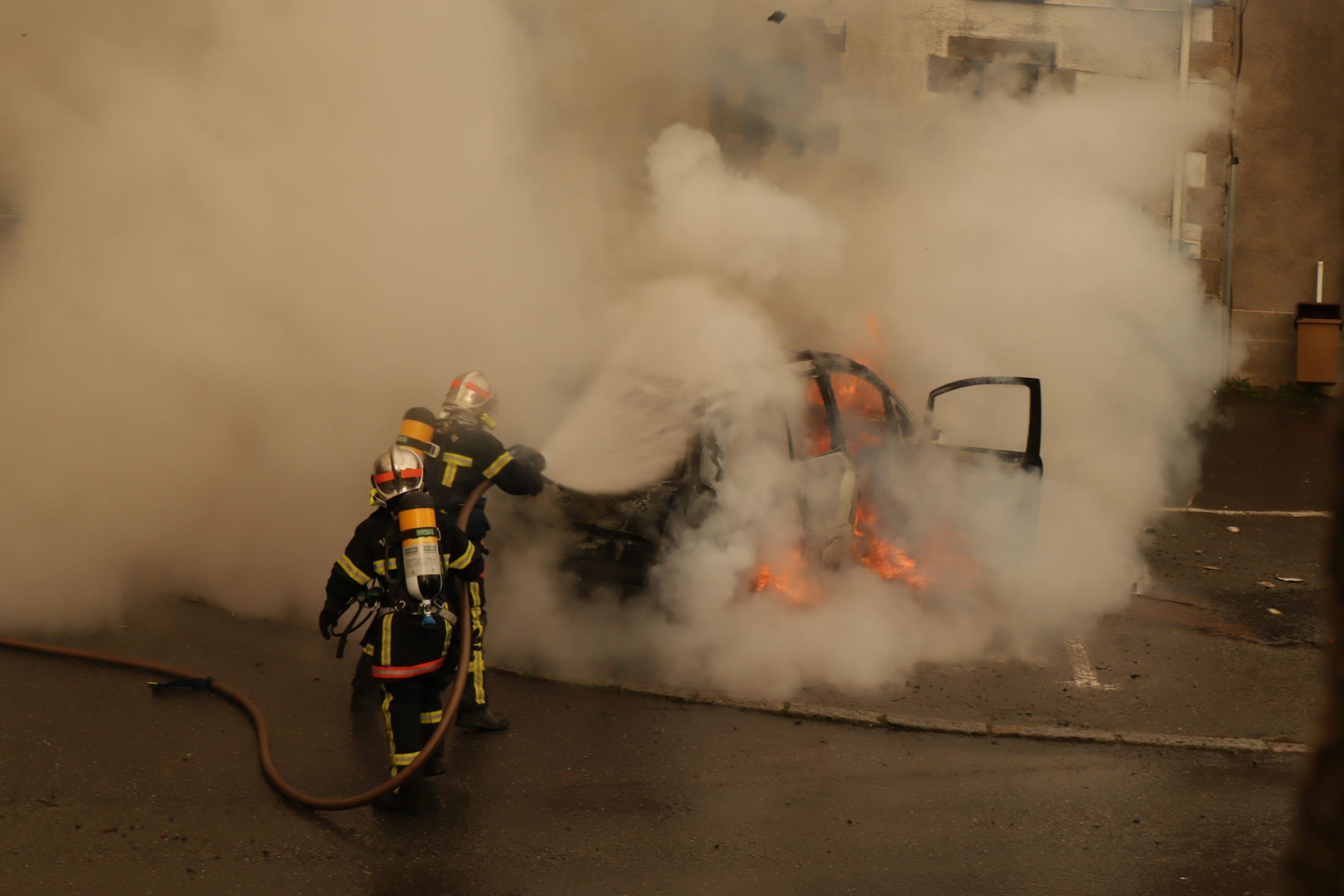
In 2023, a fire broke out in a supermarket warehouse in Industrial Area, Nairobi. A spark from faulty wiring ignited packaging material, quickly spreading. One employee—trained in fire response—grabbed a nearby CO₂ extinguisher and aimed at the base of the flames. Within two minutes, the fire was contained.
When the Fire Department arrived, they found the situation under control. Their report concluded that “the presence of functioning fire extinguishers prevented a major loss.”
This story isn’t unique. It’s a quiet reminder that real heroes don’t always wear helmets—sometimes, they’re made of steel and hang silently, waiting.
Why Regular Maintenance Is Non-Negotiable
A fire extinguisher is only as good as its readiness. Over time, pressure levels drop, seals weaken, and contents can expire. That’s why Kenyan regulations—and global standards—require regular inspections, servicing, and refilling by certified professionals.
At Fireline Safety Kenya Ltd, our technicians follow strict KEBS and British Standards procedures. We:
-
Inspect cylinders for corrosion and leaks.
-
Check pressure gauges for accuracy.
-
Refill or recharge extinguishers as needed.
-
Replace damaged pins, hoses, or seals.
-
Verify labels and compliance markings.
It’s not just about compliance—it’s about confidence. Because when seconds count, failure is not an option.
Types of Fire Extinguishers and Their Uses
Every environment presents a unique fire risk, and using the wrong extinguisher can make things worse. Here’s a quick breakdown:
-
Water Extinguishers – Best for Class A fires (wood, paper, textiles). Never use on electrical or oil fires.
-
Foam Extinguishers – Effective on Class A and B fires (flammable liquids).
-
CO₂ Extinguishers – Ideal for electrical and liquid fires; leaves no residue.
-
Dry Powder Extinguishers – Versatile; works on most types of fires, including flammable gases.
-
Wet Chemical Extinguishers – Designed for kitchen fires involving oils and fats.
Fireline Safety Kenya ensures that every client—from restaurants and hospitals to factories and schools—gets the right equipment for their needs.
Training: Turning Panic into Power
A well-placed extinguisher is useless if no one knows how to use it. That’s why we conduct fire safety training across Kenya—empowering teams to respond calmly and effectively.
Our sessions teach:
-
The PASS technique (Pull, Aim, Squeeze, Sweep).
-
Identifying fire classes and extinguisher types.
-
Evacuation procedures and safety protocols.
-
Maintenance awareness for workplace safety officers.
Training transforms fear into confidence. We’ve witnessed office secretaries, hotel staff, and even students step up during emergencies because they knew exactly what to do.
The Kenyan Challenge: Awareness and Accessibility
Despite advances, many buildings across Kenya still lack functional extinguishers—or have expired ones gathering dust. Rural schools, markets, and community halls often remain unprotected. Fires in informal settlements like Gikomba have shown how devastating this gap can be.
Fireline Safety Kenya Ltd is working to change that. We’re partnering with local authorities and organisations to make quality extinguishers more affordable and accessible. Our goal is simple: no building, no matter how small, should stand unprotected.
A Story of Hope: The School That Stood Strong
In 2024, a boarding school in Eldoret faced a terrifying moment when an electrical fault caused a dormitory fire. Thanks to proper fire drills and well-maintained extinguishers supplied by Fireline Safety Kenya, the staff responded instantly. They evacuated all 230 students safely and contained the fire before it spread.
Parents called it a miracle. We call it preparedness in action.
That’s the difference a small red cylinder can make—turning potential tragedy into triumph.
Beyond Compliance: Building a Culture of Safety
Fire extinguishers shouldn’t just meet regulations; they should inspire responsibility. Every business, school, and household should understand that fire safety is not a one-time investment—it’s a continuous culture of care.
At Fireline Safety Kenya Ltd, we believe in building that culture through:
-
Education and training.
-
Annual safety audits.
-
Preventive maintenance programs.
-
Fast, reliable product delivery.
Our mission is to ensure that every Kenyan space—urban or rural—is ready to act before fire acts first.
Conclusion: The Power in Your Hands
The next time you walk past a fire extinguisher, take a moment to notice it. That silent protector could one day be the reason your story continues.
Fire doesn’t discriminate. It can happen anywhere, anytime. But with the right tools, training, and mindset, you can stand between chaos and control.
At Fireline Safety Kenya Ltd, we don’t just sell extinguishers—we deliver peace of mind, protection, and preparedness. Because when it comes to fire, prevention isn’t just better than cure—it’s the only cure.
